
75 Years of Cosmetic Packaging, Reflected in Hidan's Technology
From our founding in 1950 to the present day,
Hidan’s container manufacturing has evolved alongside advancements in materials, mechanisms, and design.
Hidan’s legacy of technology and creativity lives on in the many containers that reflect the spirit of their times.
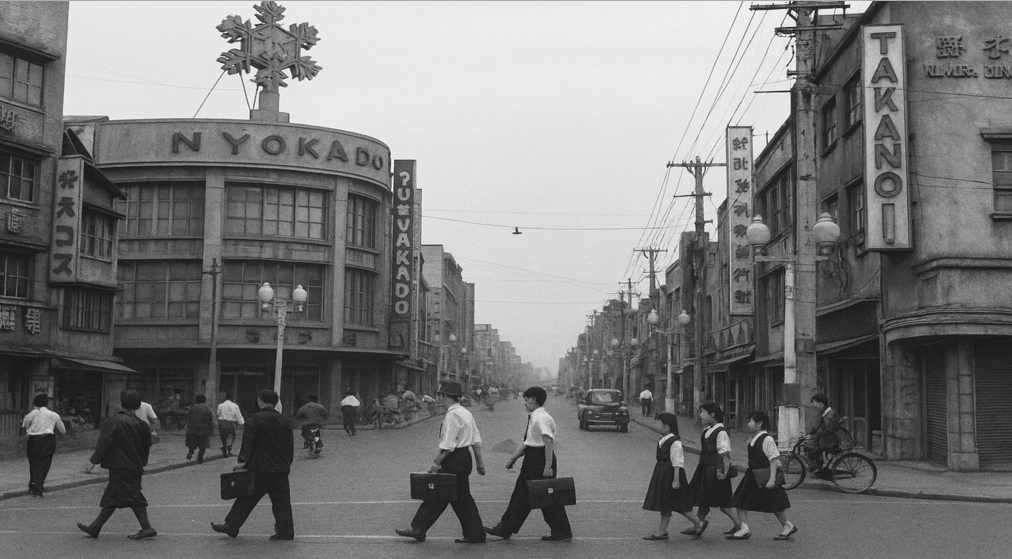
1950 s
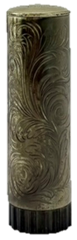
Containers from this era were primarily made of brass; since plastic had not yet become widespread, even the internal mechanisms were made of metal.
When you hold one in your hand, it feels substantial and weighty, and with every use, you can sense the care and craftsmanship that went into its creation.
It possesses a distinctive presence unique to the 1950s, where the robustness of the material coexists with delicate craftsmanship.
Products from that time

1960~1970s
In the 1960s, the introduction of the new material POM resin made containers lighter and more precise.
Resin began to be used in internal mechanisms as well, marking a significant evolution from traditional metal structures.
Additionally, Hidann established its Kashiwa Plant, and with this manufacturing hub in place, mass production began in earnest.
In the 1970s, aluminum was fully incorporated, adding a further touch of sophistication to the appearance of the containers.
An electrostatic coating line was introduced at the Kashiwa Plant, enabling a uniform and beautiful finish.
Technology and beauty merged, marking the beginning of container production that boasted high quality despite being mass-produced.
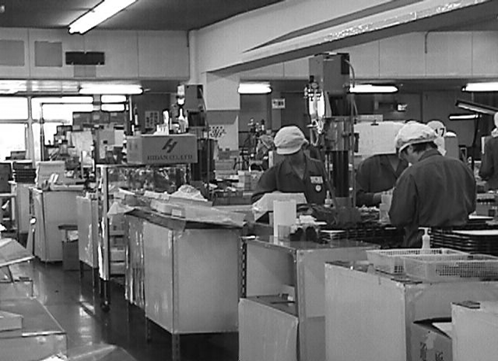
The Kashiwa Plant at that time
1980~1990 s
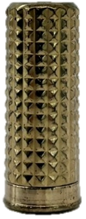
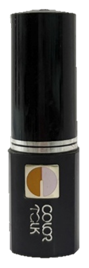
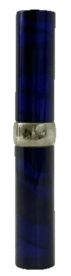
With advancements in processing technologies such as color-blended molding, diamond-cut finishes, and vapor deposition, containers have evolved from mere objects to be “seen” into ones that “tell a story.”
By freely manipulating color, texture, and even the reflection of light, we are now able to infuse the brand’s unique aesthetic into every detail.
The era of adding a touch of whimsy to specifications has arrived.
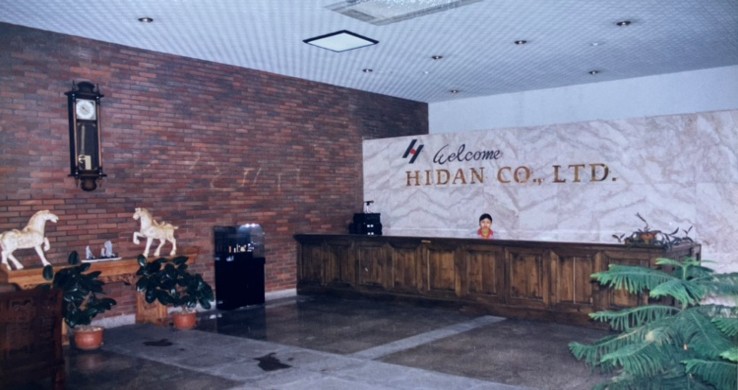
Around this time, we also established a factory in China and put in place a system capable of handling large-volume production.
Furthermore, the opening of offices in New York and Paris accelerated globalization in both our production bases and market networks.
It is also an era in which Japanese manufacturing is beginning to make its mark on the global stage.
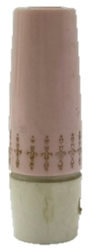
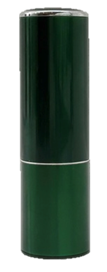
Products from that time

2000~2010 s
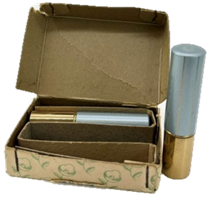
During this period, the introduction of the cell production system dramatically improved the company’s ability to handle small-lot, high-variety production.
In addition, with the aim of balancing environmental considerations and cost, the material used for the inner components was gradually switched from brass to aluminum.
Furthermore, the development of metal transfer technology has made it possible to beautifully reproduce intricate designs even on mass-produced items.
At the same time, we are also developing unique products that showcase craftsmanship, such as commemorative items featuring Swarovski crystals applied by hand one by one.
This is an era in which technology and craftsmanship coexist, greatly expanding the range of creative expression.


Funabashi Plant
2020 s~
Our approach to container manufacturing isn’t just about pursuing efficiency.
While incorporating automation into many processes, we design and manufacture our own equipment to meet the specific requirements of each product.
By designing the optimal production process to meet specific specifications, we bring the brand’s unique identity to life down to the finest details.
And now, through the use of recycled aluminum and recycled plastics, we are moving toward manufacturing that fulfills our responsibility to the future.
Technology and artistry, efficiency and environmental responsibility. Balancing all of these is now the standard at Hidann.
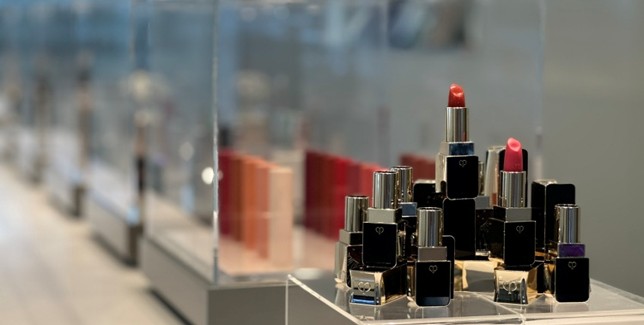
We invite you to visit our showroom and experience firsthand a space where history and innovation come to life.